Part I · Chapter 1
Why Trade, Why Now, Why You
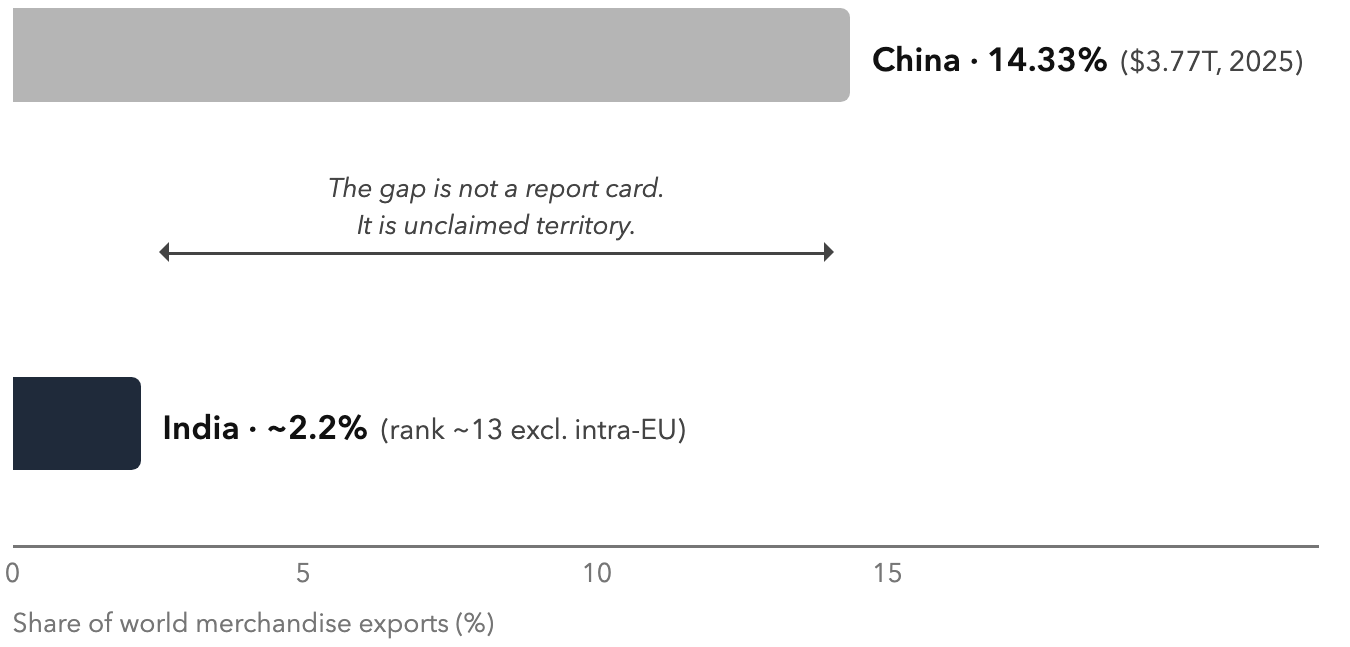
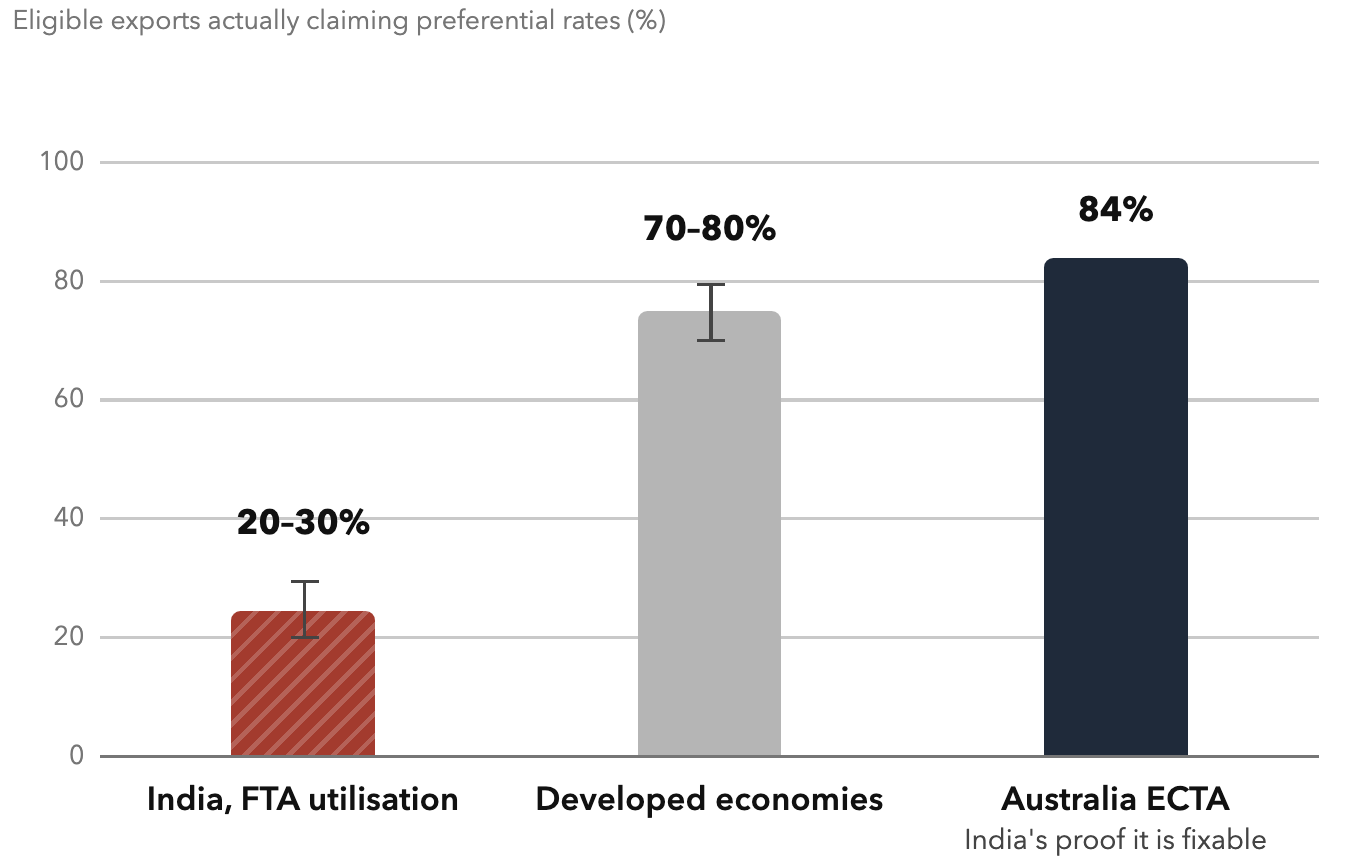
Should a business that has never shipped abroad take international trade seriously, and if so, in what form? This opening chapter answers that for owners of Indian manufacturing units, traders looking for a wider market, would-be importers and Indians living overseas with ties back home. It argues that cross-border trade asks for care with detail rather than rare talent, and that the work a first-time exporter dreads is a set of learnable steps, not a barrier. It sets India's modest share of world exports against three shifts that favour a newcomer now: buyers searching for a second source beyond China, a run of new trade agreements that most Indian firms fail to claim, and trade data that has become free or cheap. It then shows that exporting is several businesses rather than one, from making goods and trading them to importing and working from abroad, and that each asks for different money and carries different risk. Afterwards you can judge which kind of trading business your capital, time and tolerance for risk can actually support.
Key ideas
- Paperwork comes last in a sound export plan, because demand, price, duty and currency risk decide whether a trade is worth doing, and no form can settle them.
- Buyers seeking a second source, new trade agreements and open data favour a newcomer now.
- Trade is far older than its paperwork, which grew up to stand in for trust between distant parties, so every form makes sense once you know whose doubt it answers.