Part II · Chapter 14
Sourcing Like a Professional
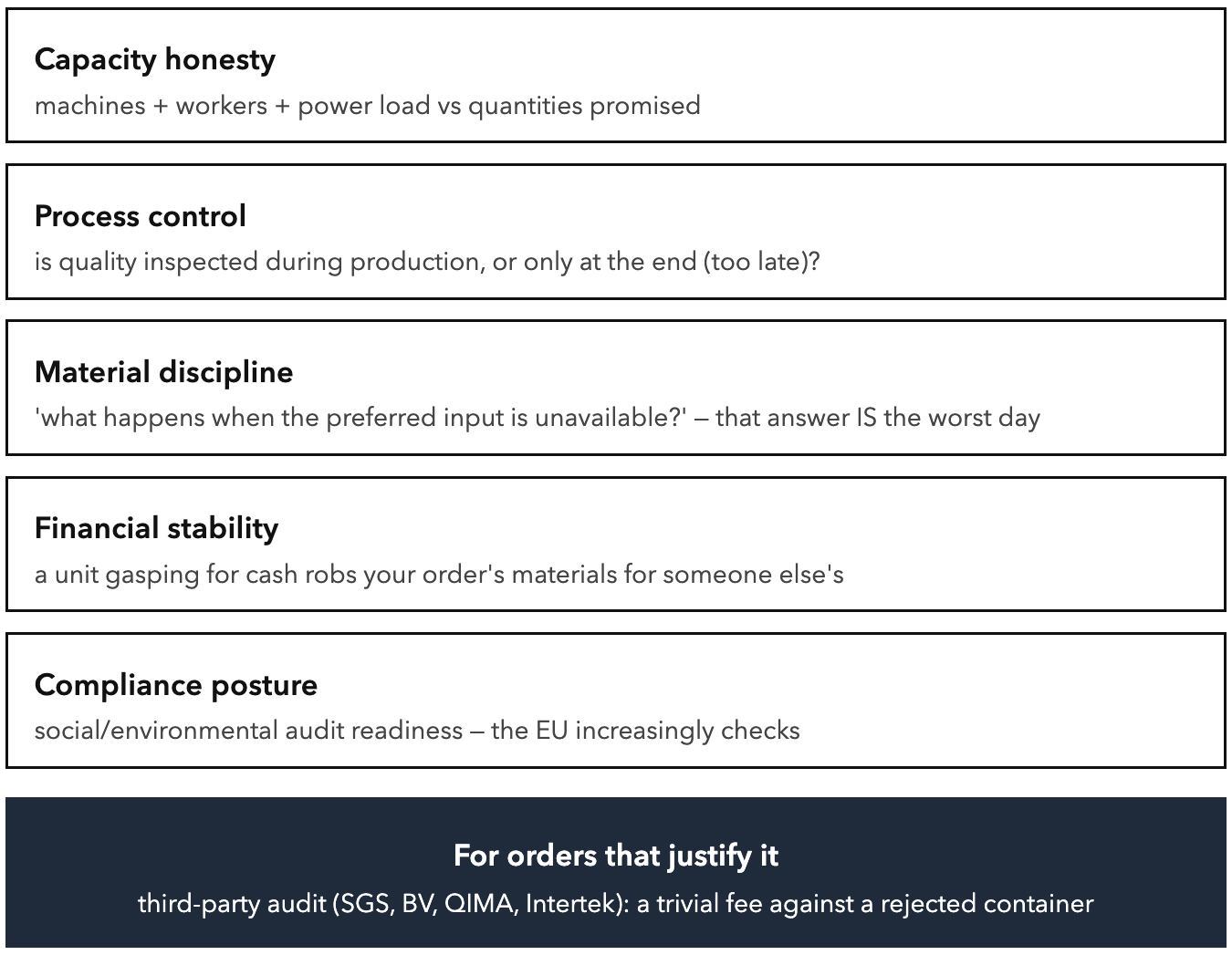
How do you find a manufacturer whose ordinary output matches the sample that won the order, and contract so that one bad batch does not cost you a year of margin? This chapter is for merchant exporters buying from other people's factories, brand owners who outsource production, and importers sourcing from China. It begins with the arithmetic of failure: a rejected export lot costs far more than a returned domestic one, which is why a supplier's everyday output matters more than his showpiece. It explains how India's manufacturing clusters are layered and why the order of a negotiation matters as much as its outcome. It sets out the visit, the written specification and the sealed sample that settle most quality disputes, and carries the same discipline to China through a toothbrush sourcing case. Afterwards you can judge whether a supplier will hold up on its worst day, before your money and name depend on it.
Key ideas
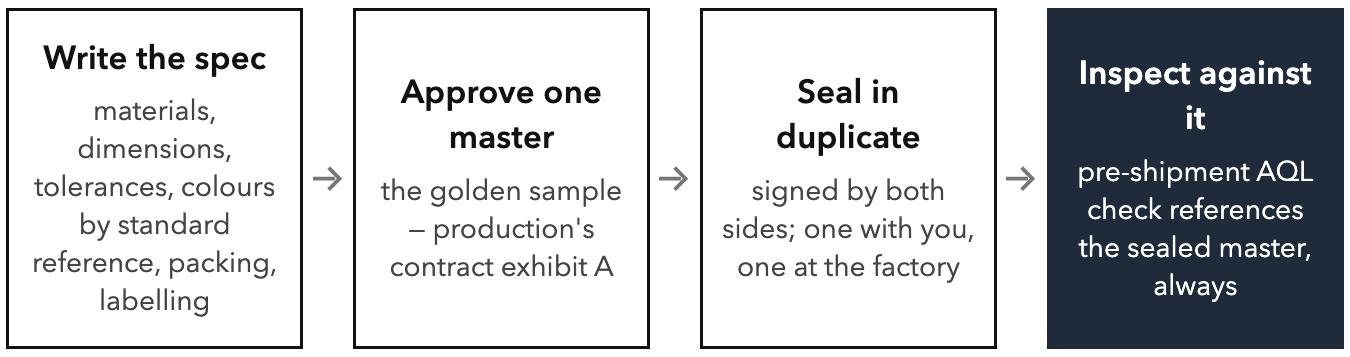
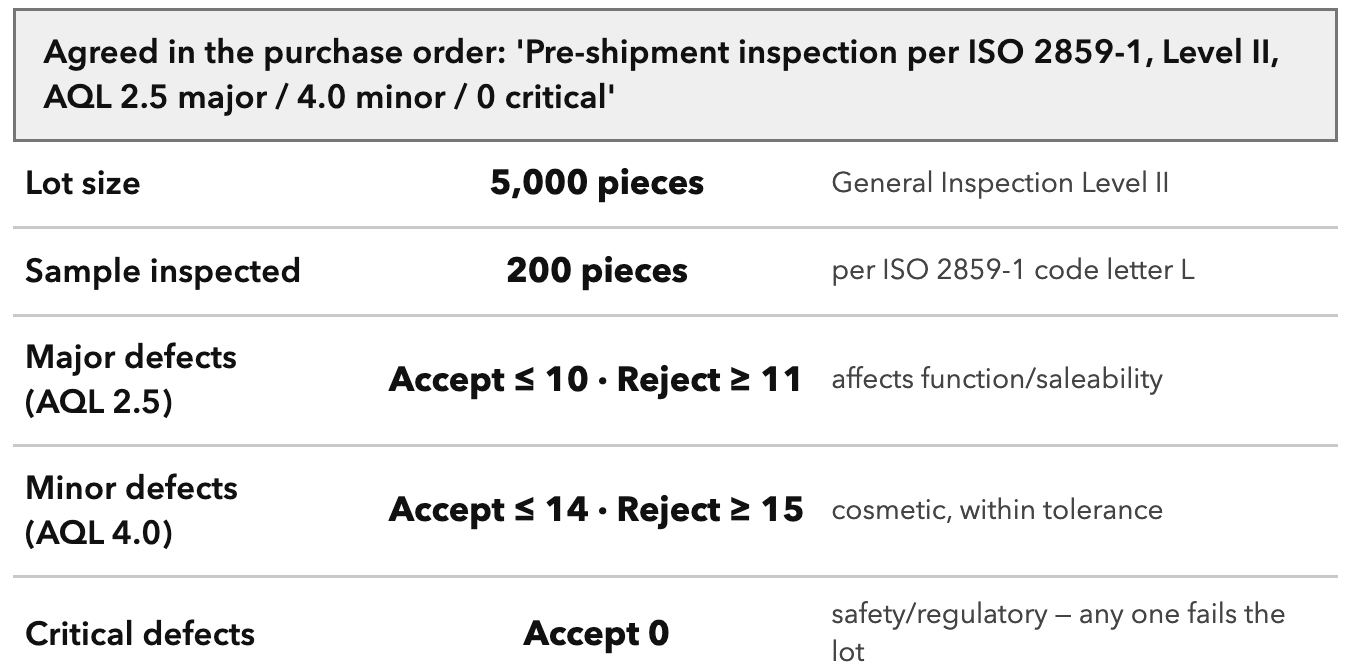
- The cheapest work in sourcing happens before production starts, because a written specification, a sealed reference piece and an agreed sampling rule settle arguments that would otherwise cost a container.
- The order of a sourcing negotiation is a test in itself: settling specification and inspection before price shows which suppliers expect to be held to their sample.
- A foreign factory gives its best terms to the buyer who brings it something new, so an Indian importer's strongest card is often the Indian market itself.